

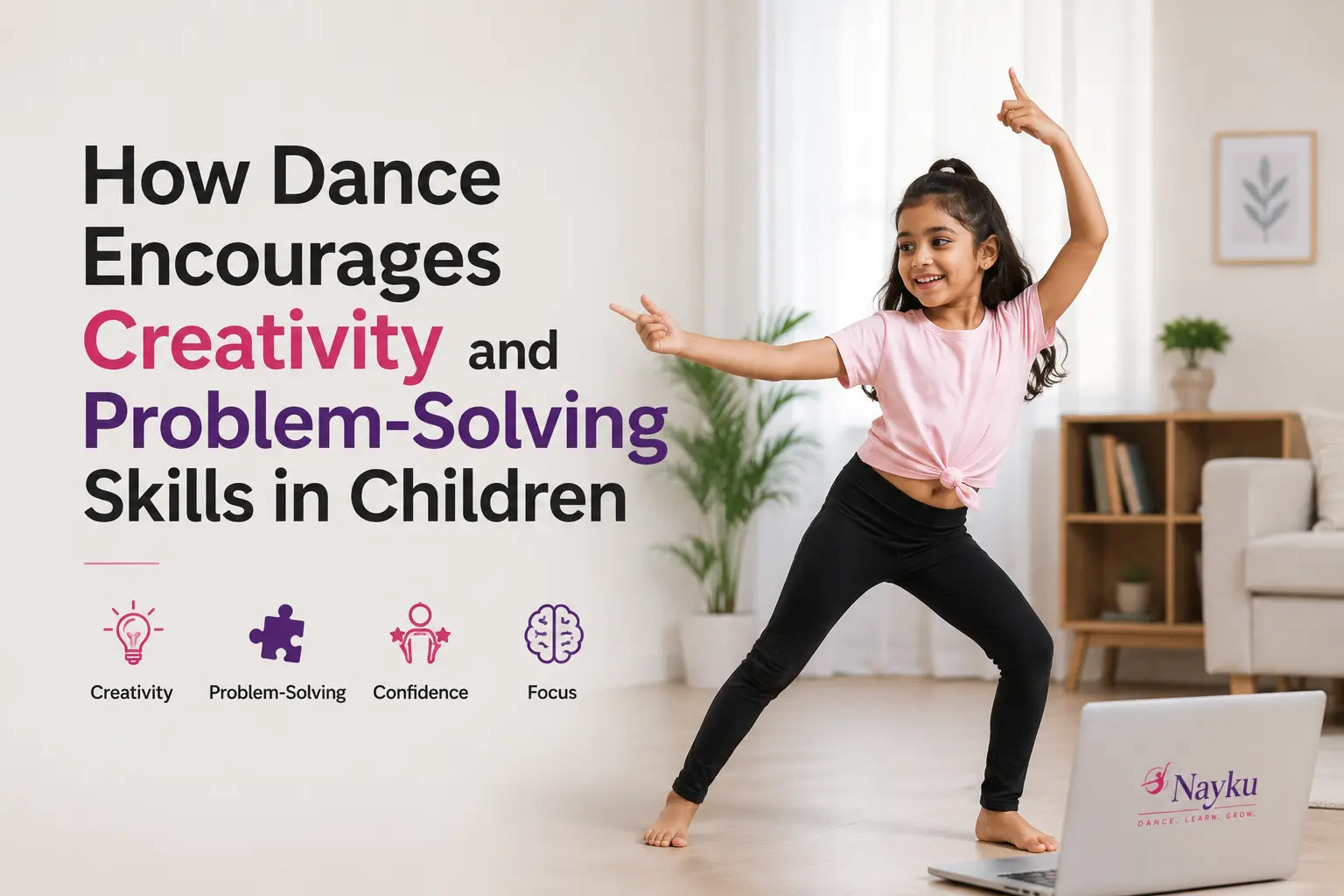
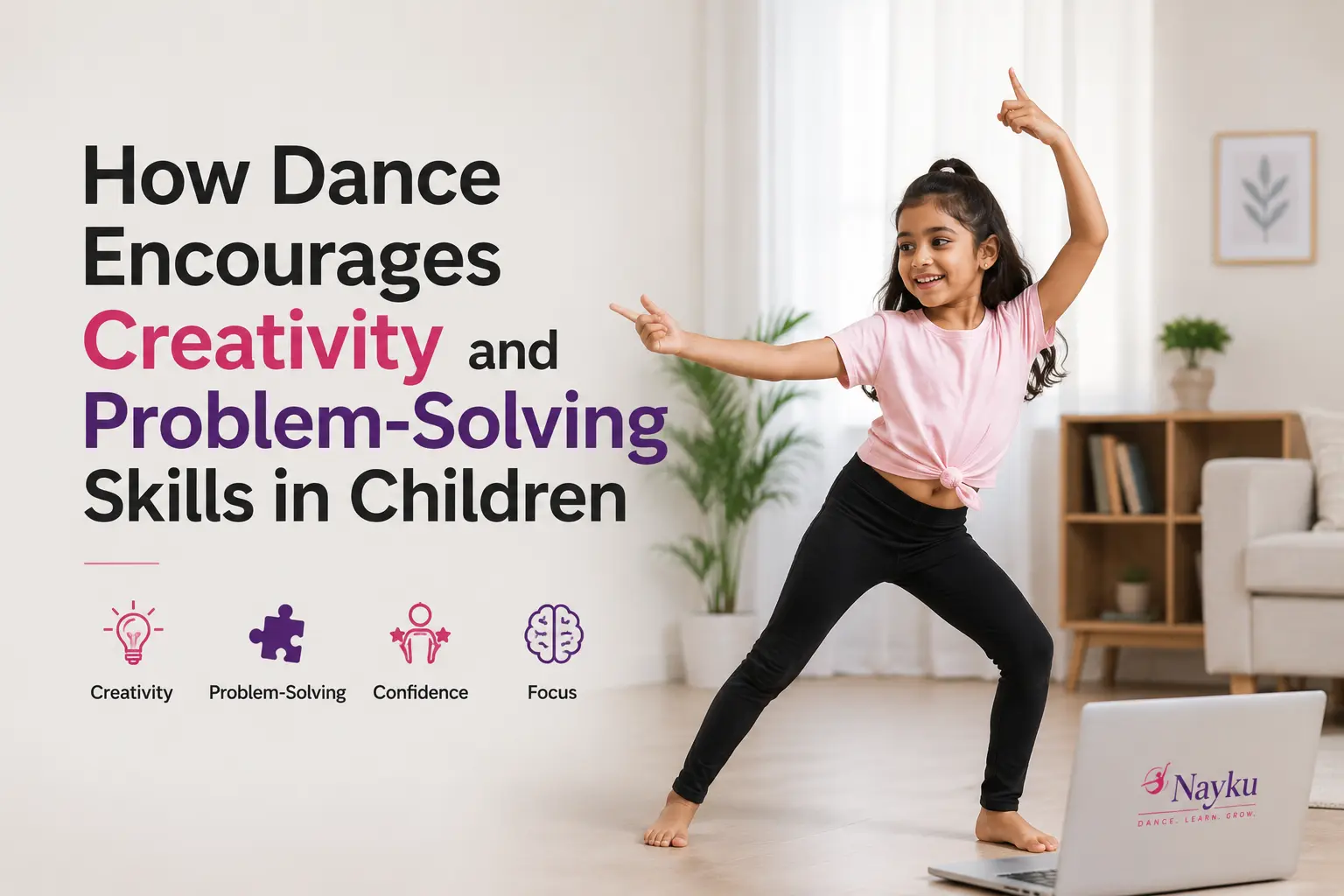
Discover how dance helps children develop creativity, critical thinking, problem-solving skills, confidence, and emotional intelligence while having fun and staying active.
How Dance Encourages Creativity and Problem-Solving Skills in Children
In today's rapidly changing world, academic success alone is no longer enough to prepare children for the future. Employers, educators, and child development experts increasingly emphasize the importance of creativity, critical thinking, adaptability, and problem-solving skills.
As parents search for activities that support these essential abilities, dance is emerging as one of the most powerful tools for child development.
While many people think of dance as simply movement set to music, it is actually a highly engaging activity that challenges the brain, encourages self-expression, and helps children develop valuable life skills.
From creating movement patterns to interpreting music and solving choreography challenges, dance constantly encourages children to think creatively and make decisions. Whether learning Bollywood, Kathak, Bharatnatyam, Kuchipudi, or contemporary dance, students gain experiences that strengthen both their artistic and cognitive abilities.
In this article, we'll explore how dance encourages creativity and problem-solving skills and why it remains one of the best extracurricular activities for children and teenagers.
Why Creativity Matters in Child Development
Creativity is often associated with art, music, and imagination, but its impact extends far beyond creative activities.
Creative children tend to:
- Think independently
- Adapt to new situations
- Generate innovative ideas
- Solve challenges effectively
- Communicate more confidently
- Approach problems from multiple perspectives
These skills are valuable in school, future careers, and everyday life.
Creativity helps children become flexible thinkers who can navigate an increasingly complex world.
Dance provides a natural environment where creativity can flourish.
Understanding Problem-Solving Skills
Problem-solving is the ability to identify challenges, analyze situations, and find effective solutions.
Children use problem-solving skills every day when they:
- Complete school assignments
- Work with classmates
- Learn new concepts
- Participate in sports
- Manage social situations
Strong problem-solving abilities contribute to:
- Better decision-making
- Greater independence
- Increased resilience
- Improved confidence
Dance helps develop these skills through movement, learning, practice, and performance experiences.
How Dance Stimulates Creative Thinking
Unlike many structured activities, dance encourages children to think beyond right and wrong answers.
Students explore:
- Movement choices
- Musical interpretation
- Emotional expression
- Storytelling
- Choreography
This freedom allows children to experiment, imagine, and create.
Every dance class provides opportunities for creative exploration.
1. Dance Encourages Self-Expression
One of the most important aspects of creativity is the ability to express ideas and emotions.
Dance gives children a unique outlet to communicate through movement.
Instead of relying solely on words, students learn to express:
- Happiness
- Excitement
- Confidence
- Determination
- Curiosity
- Empathy
This process strengthens imagination and encourages original thinking.
Children become more comfortable sharing their thoughts and ideas in other areas of life as well.
2. Choreography Develops Creative Decision-Making
Even beginner dance classes involve making choices.
Students learn to:
- Interpret music
- Select movements
- Create sequences
- Connect actions to emotions
As children gain experience, instructors often encourage them to create their own routines.
Designing choreography requires:
- Planning
- Experimentation
- Adaptation
- Creative problem-solving
These experiences teach children how to evaluate options and make informed decisions.
3. Dance Teaches Children How to Solve Challenges
Learning dance is not always easy.
Students regularly encounter challenges such as:
- Remembering choreography
- Improving timing
- Mastering footwork
- Maintaining balance
- Coordinating movements
To overcome these obstacles, children must analyze problems and find solutions.
They learn to ask:
- What am I doing wrong?
- How can I improve?
- What should I change?
This mindset strengthens critical thinking and perseverance.
4. Improves Cognitive Flexibility
Cognitive flexibility refers to the ability to adapt thinking when circumstances change.
This skill is increasingly important in education and future careers.
Dance develops cognitive flexibility because students constantly adjust to:
- New choreography
- Different musical styles
- Changing tempos
- Performance environments
Children become more comfortable adapting to unexpected situations.
5. Enhances Memory and Information Processing
Dance requires students to process and remember multiple types of information simultaneously.
They must recall:
- Movement sequences
- Musical cues
- Timing patterns
- Spatial positioning
This mental exercise strengthens cognitive abilities that support learning across all subjects.
Improved memory often contributes to stronger problem-solving performance.
6. Encourages Imagination Through Storytelling
Many dance forms incorporate storytelling elements.
For example:
Kathak
Uses expressive storytelling to portray historical and mythological narratives.
Bharatnatyam
Communicates emotions and stories through gestures and facial expressions.
Bollywood Dance
Combines movement, music, and character expression.
When children imagine characters and situations, they develop stronger creative thinking abilities.
Storytelling encourages them to explore different perspectives and ideas.
7. Builds Confidence to Take Creative Risks
Creativity often requires risk-taking.
Children must feel comfortable trying new ideas, making mistakes, and experimenting.
Dance creates a supportive environment where students learn that:
- Mistakes are part of learning
- Improvement comes through practice
- Creativity has no single correct answer
This confidence encourages children to approach challenges with curiosity rather than fear.
8. Strengthens Collaboration and Team Problem-Solving
Dance often involves group activities and performances.
Students learn how to:
- Work with others
- Share ideas
- Communicate effectively
- Solve challenges together
These experiences develop teamwork and collaborative problem-solving abilities.
Such skills are essential in both academic and professional environments.
9. Encourages Innovation Through Movement
Dance challenges children to think beyond conventional solutions.
Students may explore:
- Different ways to perform a movement
- Alternative interpretations of music
- Unique performance styles
This innovative thinking helps children become more adaptable and resourceful.
10. Helps Children Learn From Mistakes
One of the most valuable lessons dance teaches is resilience.
Every dancer experiences:
- Missed steps
- Timing errors
- Forgotten choreography
Instead of viewing mistakes as failures, students learn to see them as opportunities for growth.
This growth mindset is critical for effective problem-solving.
Children become more willing to persist when faced with challenges.
Dance and Academic Success
The benefits of dance often extend into the classroom.
Students who participate in dance frequently develop:
- Better concentration
- Stronger memory
- Improved organization
- Enhanced creativity
- Greater confidence
These skills contribute to improved academic performance across various subjects.
Creative thinking is particularly valuable in:
- Mathematics
- Science
- Writing
- Technology
- Project-based learning
Why Online Dance Classes Support Creativity
Online dance classes provide unique opportunities for creative growth.
Students often feel more comfortable expressing themselves in familiar environments.
Benefits include:
Flexible Learning
Children can practice at their own pace.
Personalized Attention
Instructors can provide individualized feedback.
Independent Practice
Students learn to take ownership of their progress.
Increased Confidence
Learning from home often reduces performance anxiety.
These factors encourage experimentation and self-expression.
How Nayku Helps Children Develop Creative Skills Through Dance
At Nayku, dance education goes beyond learning steps and routines.
Our programs are designed to help students:
- Build confidence
- Develop creativity
- Improve problem-solving abilities
- Strengthen focus and discipline
- Explore artistic expression
Through interactive online classes, students learn valuable skills that support success both inside and outside the classroom.
Whether studying Bollywood, Kathak, Bharatnatyam, or Kuchipudi, children are encouraged to think creatively and grow as confident individuals.
Conclusion
Dance is much more than a recreational activity. It is a powerful educational tool that helps children develop creativity, problem-solving skills, confidence, resilience, and critical thinking.
As children learn choreography, interpret music, express emotions, and overcome challenges, they gain valuable abilities that prepare them for future success.
In a world where innovation and adaptability are increasingly important, dance provides a fun and meaningful way for children to develop the skills they need to thrive.
For parents seeking an activity that nurtures both mind and body, dance remains one of the most rewarding investments in a child's development.
FAQs
1. How does dance improve creativity?
Dance encourages self-expression, imagination, storytelling, and creative movement exploration.
2. Can dance improve problem-solving skills?
Yes. Learning choreography and overcoming dance challenges strengthens critical thinking and decision-making.
3. What age should children start dance classes?
Many children begin dance training between ages 4 and 6.
4. Does dance help with academic performance?
Yes. Dance improves focus, memory, discipline, and concentration.
5. How does dance build confidence?
Performance opportunities and skill mastery help children develop self-esteem.
6. Can online dance classes be effective?
Absolutely. Online classes provide flexibility, expert instruction, and engaging learning experiences.
7. Which dance styles are best for creativity?
Bollywood, Kathak, Bharatnatyam, Kuchipudi, and contemporary dance all encourage creative expression.
8. Does dance help children become better communicators?
Yes. Dance teaches emotional expression and nonverbal communication skills.
9. How often should children attend dance classes?
Two to three classes per week can provide consistent progress.
10. Why is creativity important for children?
Creativity supports innovation, adaptability, confidence, and problem-solving throughout life.
11. Can shy children benefit from dance?
Yes. Dance often helps children become more expressive and confident.
12. Does dance improve memory?
Yes. Learning routines strengthens memory and cognitive function.
13. Can dance reduce screen time?
Yes. Dance offers a productive alternative to passive digital entertainment.
14. What life skills can children learn through dance?
Children develop discipline, confidence, teamwork, creativity, and resilience.
15. Why should parents choose dance classes?
Dance supports physical fitness, emotional development, creativity, and lifelong learning.
Ready to Take the Next Step?
Connect with verified experts across 50+ service categories and get things done — fast.